 Book Now


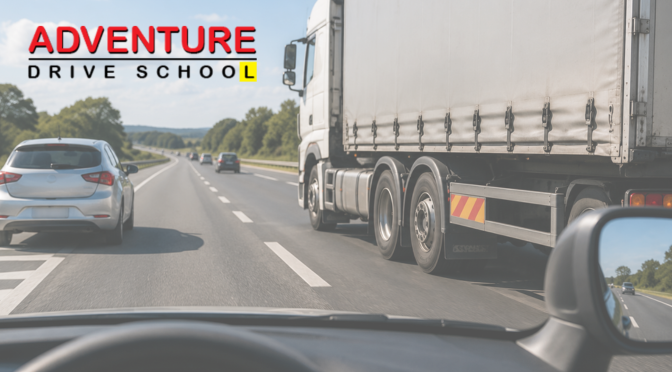
Sharing the road with trucks and heavy vehicles is part of everyday driving in Australia. Whether you’re travelling on busy highways, suburban roads or industrial routes, knowing how to drive safely around large vehicles is an essential skill for every learner. Professional driving lessons don’t just prepare you for your licence test—they equip you with real-world road safety techniques that stay with you for life. That’s why choosing a trusted driving school in Seaford is one of the best investments you can make as a new driver.
Understand a Truck’s Blind Spots
One of the first lessons every learner should understand is that trucks have much larger blind spots than passenger vehicles. If you can’t see the truck driver’s mirrors, there’s a good chance they can’t see you either.
Experienced driving instructors in Seaford teach learners how to position their vehicle safely, avoid lingering beside trucks and maintain clear visibility whenever possible. Learning these habits early helps reduce unnecessary risks and builds greater awareness behind the wheel.
Keep a Safe Following Distance
Heavy vehicles require considerably more distance to slow down or stop than standard cars. Following a truck too closely limits your visibility and reduces your reaction time if traffic suddenly changes.
During professional driving lessons in Frankston North, learners are taught to maintain a generous following distance behind heavy vehicles. This creates more time to respond safely while providing a clearer view of traffic conditions ahead.
Never Cut in Front of a Truck
Many inexperienced drivers underestimate the stopping distance required by large trucks. Pulling back into a lane too soon after overtaking can force a truck driver to brake suddenly, creating a dangerous situation.
A reputable Driving School in Frankston North teaches learners to overtake only when it is safe and to return to their lane only after they can clearly see the entire front of the truck in their rear-view mirror. This simple technique helps create a much safer buffer for everyone on the road.
Be Patient at Intersections and Roundabouts
Heavy vehicles often require extra room to turn and may need to move across multiple lanes to complete a corner safely. Trying to squeeze alongside a turning truck is one of the most common causes of serious collisions.
Professional Driving Instructors Seaford help learners understand how trucks manoeuvre through intersections, roundabouts and tight streets. Developing patience and allowing trucks the space they need is an important part of becoming a responsible driver.
Stay Alert in Changing Road Conditions
Rain, strong winds, reduced visibility and busy traffic can all affect how heavy vehicles operate. Large trucks may need additional braking distance and can create significant spray during wet weather.
Quality Driving Lessons Frankston North include practical training that helps learners adapt to changing road conditions while maintaining safe distances and making calm, informed driving decisions around heavy vehicles.
Safe Driving Starts with Good Habits
Learning how to safely share the road with trucks is about much more than passing your driving test. It develops awareness, patience and defensive driving skills that help protect you, your passengers and other road users throughout your driving life.
By choosing an experienced driving school in Seaford, you will gain practical knowledge that prepares you for real-world driving situations with confidence. The more you understand how heavy vehicles operate, the safer and more capable you’ll become every time you get behind the wheel.
Learn Safe Driving Skills with Adventure Drive School
At Adventure Drive School, we believe great drivers are created through practical training, professional guidance and real-world experience. Our qualified instructors are committed to helping learner drivers build confidence while developing the skills needed to stay safe around trucks, heavy vehicles and all road users. Whether you’re just starting or preparing for your licence test, we’re here to support your journey every step of the way. To book your driving lessons, call us today on 0414 201 503 and start driving with confidence.
FAQs
What are a truck's blind spots?
Truck blind spots, often called "no-zones," are areas around the vehicle where the driver has limited or no visibility. These are typically directly in front of the truck, behind it, and along both sides, especially the left side. Avoid driving in these areas whenever possible.
How much following distance should I leave behind a truck?
It's recommended to maintain a larger following distance behind a truck than you would behind a car. This gives you better visibility of the road ahead and provides more time to react if the truck slows down or stops suddenly.
Is it safe to overtake a truck?
Yes, but only when it is legal and safe to do so. Overtake promptly without exceeding the speed limit, and don't move back into the lane until you can clearly see the entire front of the truck in your rear-view mirror.
Why shouldn't I cut in front of a truck after overtaking?
Heavy vehicles require much longer stopping distances than passenger cars. Cutting in too closely can force the truck driver to brake suddenly, increasing the risk of a collision.
Why do trucks move wide when turning?
Large trucks often need extra space to complete left or right turns safely. They may swing into another lane before turning, so it's important not to drive alongside or attempt to squeeze past a turning truck.
How should I drive around trucks during wet weather?
Increase your following distance, reduce your speed, and stay alert. Heavy vehicles can create significant water spray that reduces visibility, and wet roads increase braking distances for all vehicles.
Do driving lessons teach learners how to share the road with heavy vehicles?
Yes. Professional driving lessons include practical training on recognising truck blind spots, maintaining safe distances, overtaking correctly, and understanding how heavy vehicles behave in different traffic situations.
What should I do if a truck is reversing or manoeuvring?
Give the truck plenty of space and avoid driving or walking behind it. Large vehicles have limited rear visibility, and allowing them to complete their manoeuvre safely helps protect everyone on the road.
How can professional driving lessons help me become more confident around trucks?
Experienced driving instructors teach defensive driving techniques, hazard awareness, safe overtaking practices, and proper road positioning. These real-world skills help learner drivers feel more confident and make safer decisions when sharing the road with trucks and other heavy vehicles.
 Book Now
 Call Us
 SMS Us